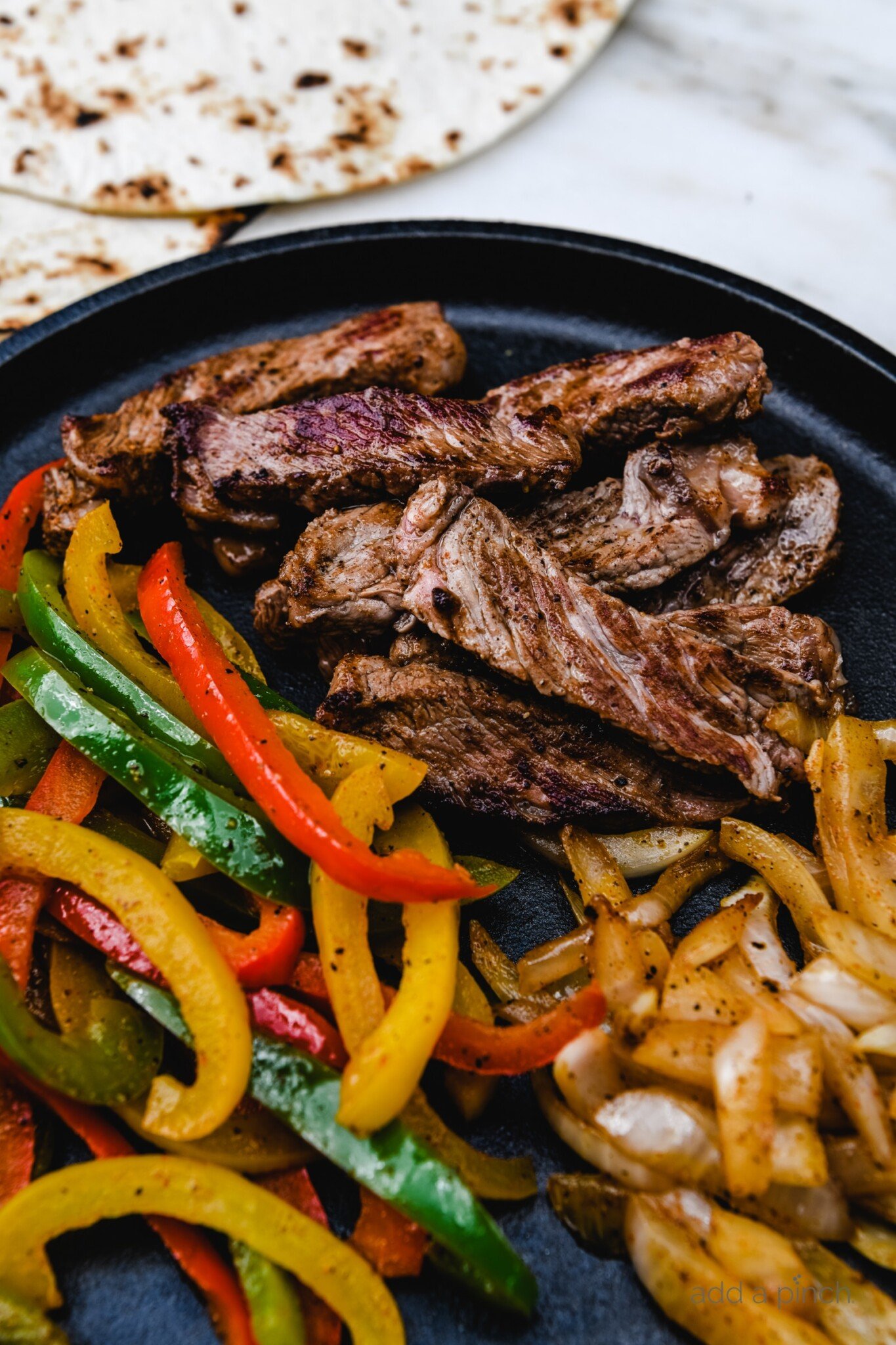
Craving a meal that's both exhilaratingly juicy and bursting with bold, authentic flavors? Your culinary quest concludes here with the ultimate guide to crafting the Best Ribeye Steak Fajitas. Forget everything you thought you knew about ordinary steak fajitas; we're elevating this beloved dish to a steakhouse-quality experience right in your own kitchen. Imagine perfectly seasoned, tender strips of premium ribeye, sizzling hot alongside vibrant bell peppers and onions, all nestled in a warm tortilla. This isn't just a rib eye fajitas recipe; it's a fiesta for your senses, designed to make your taste buds dance and your cooking feel effortlessly gourmet.
If you're ready to transform a simple weeknight meal into an extraordinary dining event, then you absolutely need to try these incredible ribeye steak fajitas. We’ll walk you through everything, from choosing the perfect cut to mastering the marinade and achieving that irresistible sizzle, ensuring every bite is packed with ultimate flavor. Get ready to discover how to make fajitas so delicious, everyone will be begging for the recipe.
Why Ribeye is the Star of Your Fajitas
While many excellent fajitas are made with cuts like skirt, flank, sirloin, or hanger steak, introducing ribeye transforms the dish entirely. Ribeye brings an unparalleled level of tenderness, juiciness, and rich flavor that other cuts simply can't match. It’s the difference between a good meal and an unforgettable one.
The Magic of Marbling: The secret to ribeye's superior taste and texture lies in its marbling – the small, intramuscular veins of fat distributed throughout the meat. As the ribeye cooks, this marbling melts, infusing the steak with incredible moisture and a buttery, rich flavor. When selecting your ribeye, look for even marbling across the entire cut. More marbling generally means a more flavorful and tender steak. High-quality ribeye often comes from well-fed cattle, contributing to a deeper, richer taste and a wonderfully soft texture that translates perfectly into a melt-in-your-mouth fajita experience.
Unmatched Tenderness: Ribeye is inherently one of the most tender cuts of beef, requiring less aggressive tenderizing than some other fajita steaks. This natural tenderness means your thinly sliced fajita strips will remain succulent and easy to chew, even when cooked quickly over high heat. It truly merges the best qualities of a classic steakhouse ribeye with the vibrant, zesty appeal of traditional fajitas.
Choosing Your Perfect Ribeye Steak
Starting with the right steak is paramount for delicious fajitas. To get the ideal juicy, tender meat every time, focus on these key aspects:
- Initial Thickness: While your finished fajita strips will be thin, begin with a whole ribeye steak that is typically around one inch thick. This thickness allows for easier and more uniform slicing into the desired fajita strips.
- Marbling: As mentioned, prioritize ribeye with visible, even marbling. This is your guarantee of flavor and juiciness.
- Freshness: Look for bright red meat with no discolored spots and minimal liquid in the packaging.
- Preparation: Once you have your beautiful ribeye, slice it thinly against the grain, aiming for uniform 1/4-inch slices. This thinness ensures quick cooking and maximum tenderness for fajitas. Be sure to trim away any large, excess pieces of fat, leaving just enough to contribute to flavor without being overly greasy.
Crafting the Ultimate Rib Eye Fajitas Recipe: Step-by-Step
Making delicious rib eye fajitas is surprisingly quick and straightforward, culminating in a dish that tastes like it took hours. Here's how to bring this culinary masterpiece to life:
Essential Ingredients for Flavorful Ribeye Fajitas
- Ribeye Steak: Approximately 1.5-2 lbs, thinly sliced against the grain into 1/4-inch strips.
- Bell Peppers: 2-3 large bell peppers (use a variety of colors like red, yellow, and green for visual appeal and balanced flavor), sliced into thin strips.
- Onions: 1 large yellow or white onion, sliced into thin strips.
- Lime Juice: 2-3 tablespoons, freshly squeezed. This is crucial for flavor and a touch of tenderization.
- Olive Oil: 2-3 tablespoons, for cooking and the marinade base.
- Homemade Fajita Seasoning:
- 1 tablespoon chili powder
- 1 tablespoon ground cumin
- 1 teaspoon garlic powder
- 1 teaspoon onion powder
- 1/2 teaspoon smoked paprika (for depth)
- Salt and freshly ground black pepper to taste
- Optional: A pinch of cayenne pepper for a little heat.
The Art of Marinade and Seasoning
The magic begins with the marinade. It’s where your ribeye absorbs the vibrant flavors that define great fajitas:
- Prepare the Seasoning Blend: In a small bowl, whisk together the olive oil, fresh lime juice, chili powder, cumin, garlic powder, onion powder, smoked paprika, salt, and pepper. This creates your rich, aromatic fajita seasoning.
- Marinate the Steak: Place your thinly sliced ribeye strips into a large bowl. Pour approximately half of the prepared seasoning mixture over the steak. Gently toss to ensure every piece is thoroughly coated. The lime juice works quickly on thin slices, so a brief 10-15 minute rest while you chop vegetables is often sufficient, ensuring it tenderizes without "cooking" the meat. Reserve the remaining seasoning for your vegetables.
Sizzling Your Way to Perfection
Achieving that iconic fajita sizzle and perfectly cooked steak is all about high heat and quick cooking:
- Heat the Skillet: Heat a large cast-iron skillet or heavy-bottomed pan over medium-high heat until it's smoking hot. Add a touch more olive oil if needed.
- Cook the Steak: Add the marinated ribeye strips to the hot skillet in a single layer, ensuring not to overcrowd the pan (you may need to cook in batches). Cook for approximately 1-2 minutes per side for medium-rare to medium doneness. Ribeye cooks quickly, so keep a close eye on it. Overcooking will diminish its tenderness.
- Rest the Steak: Once cooked to your desired doneness, immediately remove the steak from the skillet and transfer it to a clean platter. Loosely tent it with foil and allow it to rest for at least 5 minutes. This crucial step allows the juices to redistribute, ensuring your ribeye remains incredibly tender and juicy.
- Sauté the Vegetables: With the same skillet still hot, add a little more olive oil if necessary, then add the sliced bell peppers and onions. Pour the remaining fajita seasoning over the vegetables. Sauté, stirring frequently, for 5-7 minutes, or until the vegetables are tender-crisp and slightly caramelized. You want them to retain a bit of bite.
- Combine and Serve: Return the rested ribeye steak back to the skillet with the vegetables. Toss everything together briefly, just to heat the steak through (about 1 minute). Remove the skillet from the heat.
Serving & Customizing Your Ribeye Fajita Fiesta
The final flourish for your homemade rib eye fajitas recipe involves warm tortillas and an array of tempting toppings.
Warm Tortillas: No fajita experience is complete without perfectly warmed tortillas. Heat corn or flour tortillas directly over a gas flame, in a dry skillet, or wrapped in foil in the oven until soft and pliable. This prevents them from cracking and enhances their flavor.
Topping Bar: Set up a spread of your favorite fajita accoutrements. Popular choices include:
- Fresh salsa or pico de gallo
- Creamy guacamole or sliced avocado
- Cool sour cream or Greek yogurt
- Shredded cheese (Monterey Jack or a Mexican blend)
- Fresh cilantro, chopped
- Pickled or sliced jalapeños for a kick
- Extra lime wedges for squeezing
Let everyone build their own fajitas, creating a fun, interactive, and personalized dining experience.
Beyond the Skillet: Meal Prep & Storage Tips
This rib eye fajitas recipe is also excellent for meal prepping, allowing you to enjoy delicious fajitas even on your busiest days:
- Prep Ahead: Slice the ribeye, bell peppers, and onions. Prepare your fajita seasoning blend. Store each component in separate airtight containers in the refrigerator for up to 3 days. When ready to cook, simply combine and follow the sizzling steps.
- Freezing: For longer storage, you can place the sliced, seasoned raw ribeye (without lime juice, as it can alter texture over time in the freezer) in a freezer-safe bag or container. Similarly, the sliced vegetables can be frozen raw. They will hold for up to 3 months.
- Cooking from Frozen: To cook, thaw the frozen components in the refrigerator overnight. Then, proceed with the recipe as written, marinating the steak with lime juice and seasoning just before cooking.
The convenience of meal prepping means you can enjoy these tender ribeye steak fajitas with minimal effort when hunger strikes!
There you have it – your comprehensive guide to creating the Best Ribeye Steak Fajitas, a dish that truly combines the robust flavor of a steakhouse classic with the vibrant energy of a Tex-Mex favorite. By carefully choosing your ribeye, mastering a simple yet potent seasoning, and executing the cooking steps with confidence, you're not just making a meal; you're crafting an experience. So fire up that skillet, gather your ingredients, and get ready to serve up a dish that’s so quick, easy, and flavorful, it will undoubtedly become a cherished staple in your culinary repertoire. Enjoy your sizzling, delicious fiesta!
